What Are LED Components
LED components are the individual hardware elements that collectively form a complete LED display system.
Each component plays a distinct role in generating, processing, displaying, and supporting digital visual output.
A well-engineered LED screen depends on the performance, reliability, and integration of these components working together.
The quality of the LEDs, control systems, power distribution, and structural support directly influences image clarity,
color accuracy, brightness stability, heat management, and long-term durability.
LED components are used in indoor and outdoor digital signage, broadcast studios, sports arenas,
retail environments, transportation hubs, entertainment venues, and architectural media façades.
Manufacturers
The advertising monitors we produce utilize products from leading LED component manufacturers.
Components can be supplied either as a fully assembled screen or in individual parts.









Core LED Screen Components and Their Functions
Precision Engineering. Component-Level Mastery.
At LEDSTORY, we don't just sell screens; we maintain them. By partnering with a network of trusted global manufacturers, we ensure that every internal part meets elite performance standards. Our service goes beyond basic repairs—we offer a dedicated Component Replacement Service to ensure your investment remains operational for its entire lifecycle.
Core Visual Components
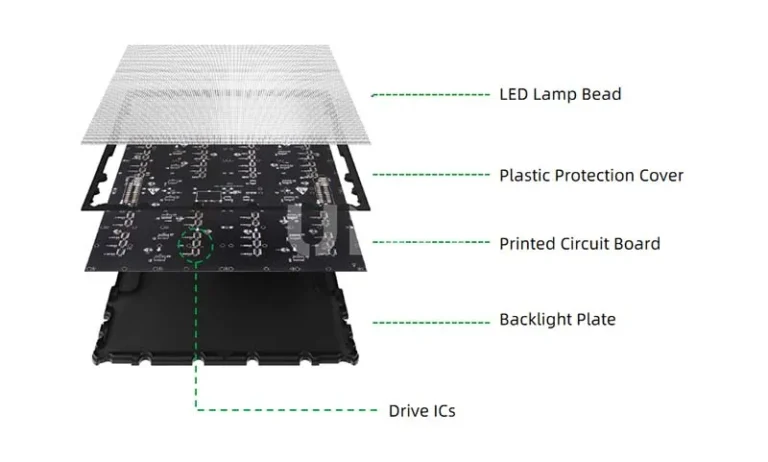
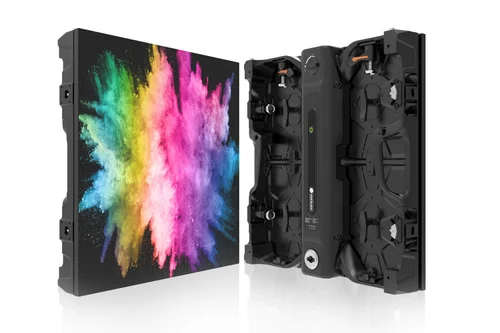
LED Modules (Panels): The fundamental building blocks of the screen. They house the PCB, LED lamps, and Driver ICs, acting as the primary surface where the image is generated.
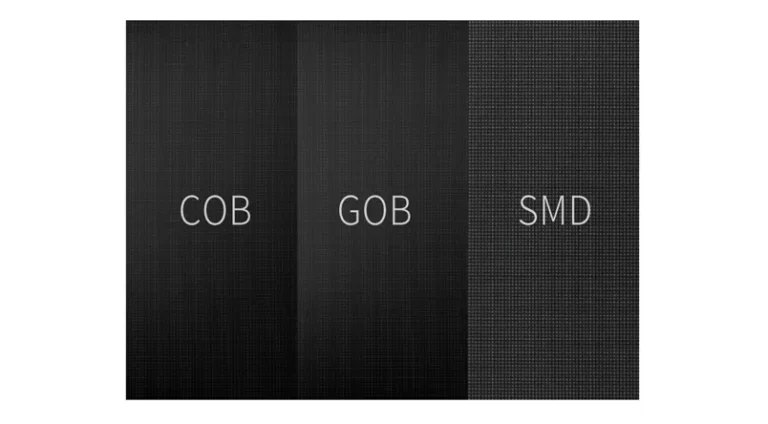
LED Lamps (SMD or DIP): These diodes are the actual light source. They define the screen’s brightness, color uniformity, and viewing angles. We source premium lamps for maximum durability and refresh rates.
Mask / Module Face Cover: A protective layer that shields delicate LEDs from physical impact while enhancing image contrast and reducing surface glare.
Signal Processing & Intelligence
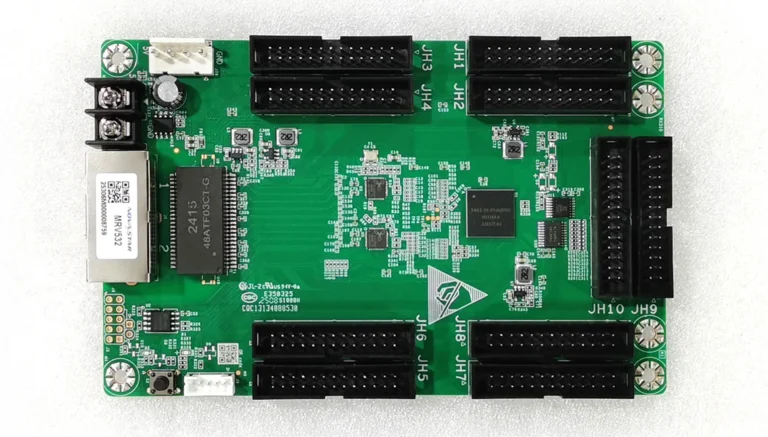
Sending Cards / Controllers: The "brain" of the system. It takes the video signal from your source and translates it into data the screen can understand, managing scaling and brightness.
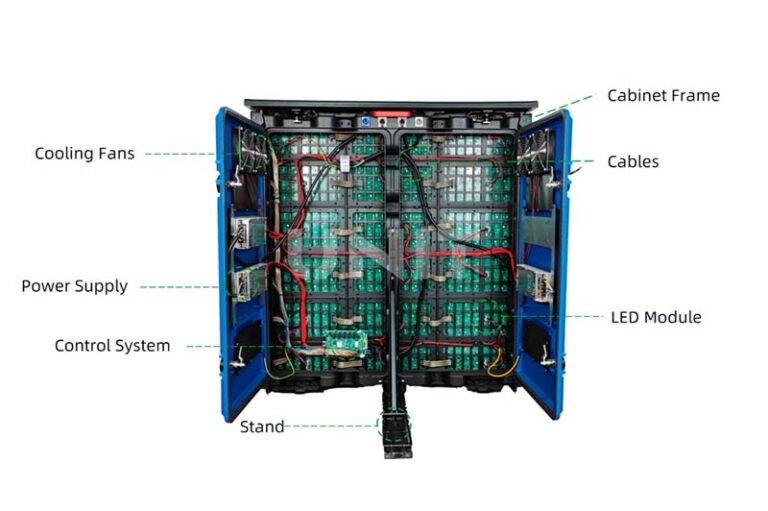
Receiving Cards: Located inside each cabinet, these receive data from the controller and distribute it to specific modules to ensure pixel-perfect synchronization.
Video Processor / Scaler: An essential tool for professional setups, used to manage multi-window layouts, enhance image quality, and switch between various input formats seamlessly.
Driver ICs (Current Drivers): These specialized chips regulate the electrical current to the LEDs, preventing flicker and ensuring smooth grayscale transitions for high-definition content.
Power & Connectivity
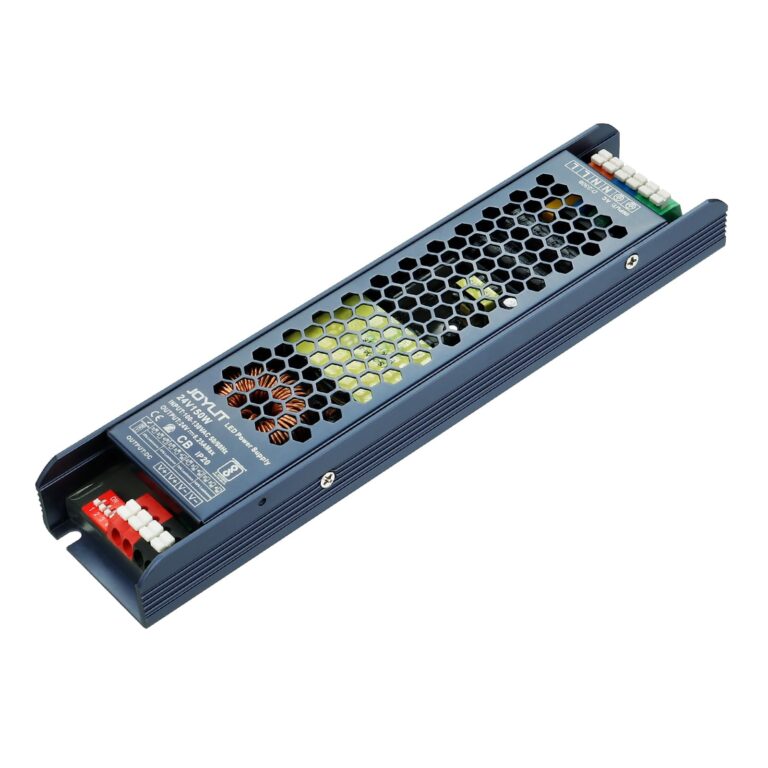
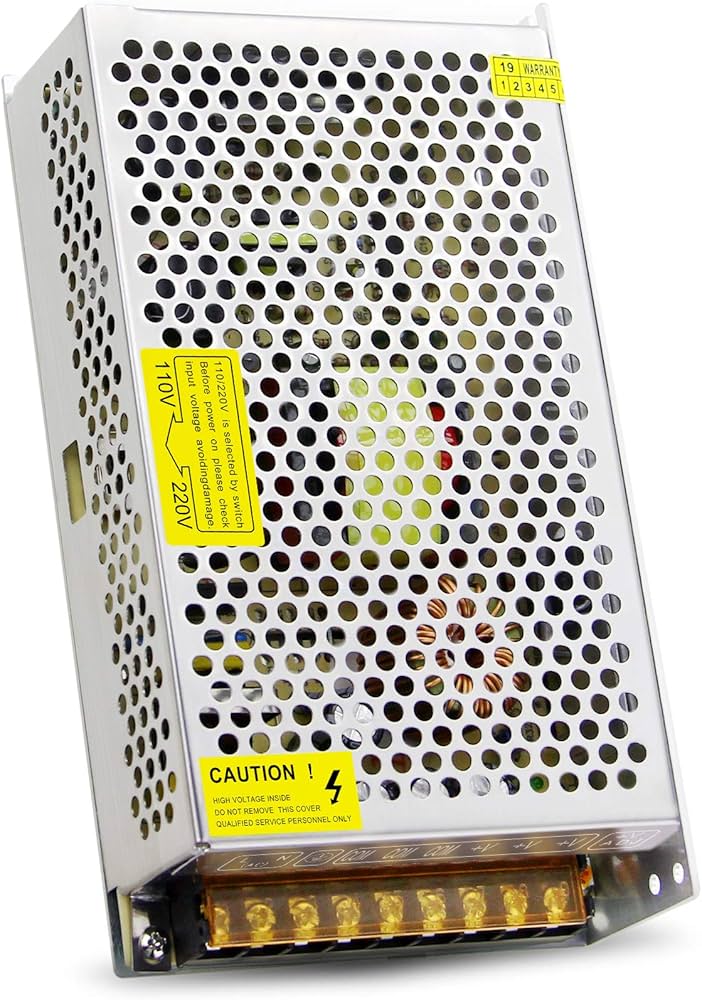
Power Supply Units (PSUs): High-efficiency units that convert standard AC power into the stable, low-voltage DC power required for sensitive LED electronics.
Data & Power Cables: Industrial-grade Ethernet and Flat Ribbon cables ensure high-speed signal integrity, while heavy-duty power routing prevents overheating.
Hub Boards: Acts as the internal distribution hub, organizing the flow of data and power from the receiving cards to the individual modules for cleaner internal wiring.
Infrastructure & Protection
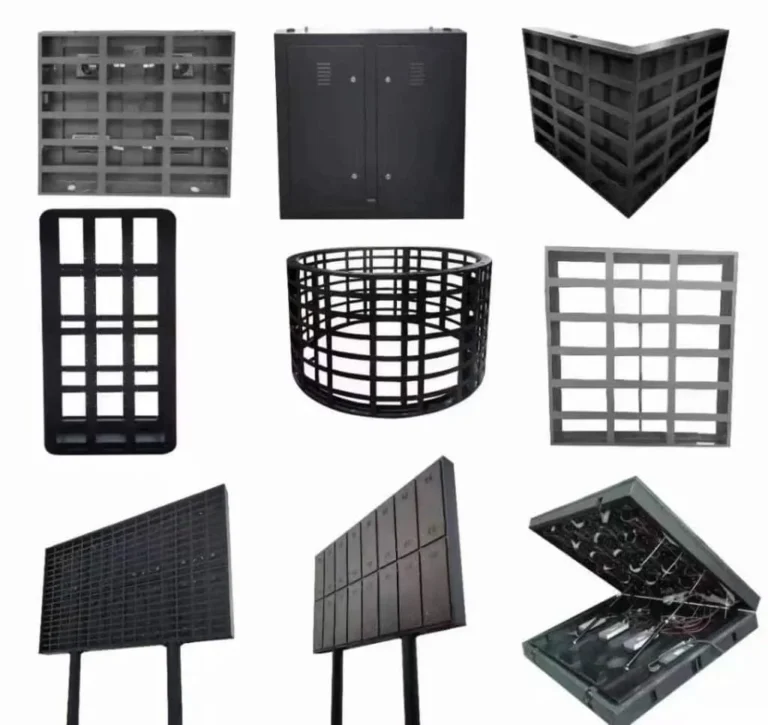
LED Cabinets: The structural frame that protects internal components. It provides thermal management and the precise alignment necessary for a seamless, gap-free display.
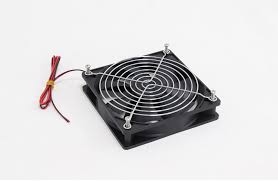
Cooling Components: Integrated fans and ventilation paths designed to maintain optimal temperatures, which is critical for prolonging the lifespan of the LEDs.
Mounting Systems: Custom-engineered frames and rigging hardware that allow the screen to be securely installed on walls, hanging trusses, or freestanding structures.
Control & Calibration Software: Proprietary tools used for pixel-by-pixel color calibration, remote diagnostics, and advanced content scheduling.