What Is LED Signage?
LED signage refers to any visual communication system that uses Light-Emitting Diode (LED) technology to display information, branding, or advertising content in a dynamic, highly visible format.
Unlike traditional static signs made from printed materials, neon tubes, or fluorescent lighting, LED signage leverages semiconductor-based light sources that emit bright, efficient, and programmable light.
This enables content to be updated instantly and presented with exceptional clarity, contrast, and color accuracy.
LED signage encompasses a broad spectrum of display types, ranging from simple monochrome message boards to large-scale, full-motion digital billboards.
These systems can be designed as standalone units, modular installations, or integrated architectural elements.
The flexibility of LED technology allows signage to be tailored to virtually any environment—including retail locations, transportation hubs, sports arenas, corporate buildings, entertainment venues, and outdoor advertising spaces.

Key Characteristics of LED Signage
Digital and Dynamic Display
LED signage supports real-time updates, animations, motion graphics, typography, and full-video playback. This transforms signage from a static asset into a dynamic communication platform capable of delivering targeted messages.
High Brightness and Visibility
LEDs produce intense levels of brightness, allowing signage to remain clearly legible in direct sunlight, at nighttime, and in adverse weather conditions. Their high contrast ratio enhances long-distance visibility and readability.
Energy-Efficient Illumination
LEDs consume significantly less energy compared to neon, incandescent, and fluorescent lighting. Their reduced heat output, low power draw, and long lifespan lower both operational costs and environmental impact.
Modular and Customizable Configuration
LED signage can be manufactured in various shapes, pixel pitches, resolutions, and dimensions. It can take the form of channel letters, panel displays, curved screens, ticker signs, or architectural LED strips. This modularity supports both creative branding and practical installation constraints.
Durability and Longevity
High-quality LED signage is engineered for long-term operation. Weather-sealed enclosures, robust materials, and solid-state electronics ensure it can withstand vibration, temperature variations, humidity, and continuous runtime.
Consistent Color and Performance
Advanced driver ICs, calibration systems, and pixel-level control ensure uniform brightness and color consistency across the entire display surface. This enhances brand representation and improves customer perception.
Integration with Control Systems
LED signs are managed through software platforms or hardware controllers that allow businesses to schedule messages, switch layouts, adjust brightness, and synchronize content across multiple locations or screens.

Categories of LED Signage
Channel-Letter LED Signage
Three-dimensional fabricated letters illuminated with internal LED modules. Ideal for storefronts, building identifiers, and brand logos.
LED Display Boards (Message Signs)
Monochrome or full-color boards used for scrolling text, announcements, directional guidance, and general information.
Digital Menu Boards
High-resolution LED panels commonly used in restaurants, cafeterias, and quick-service environments for displaying pricing and promotions.
Indoor Advertising Screens
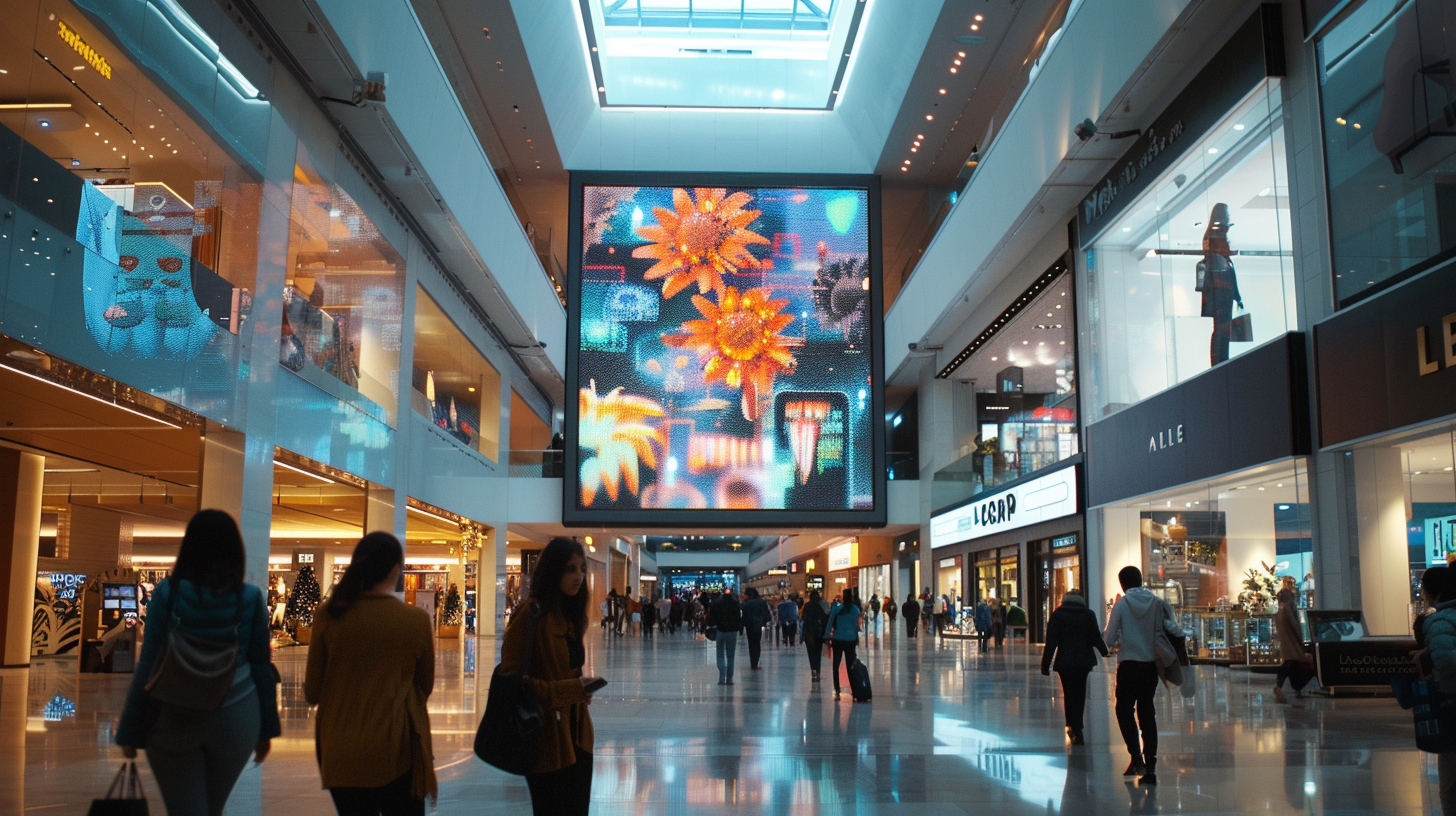
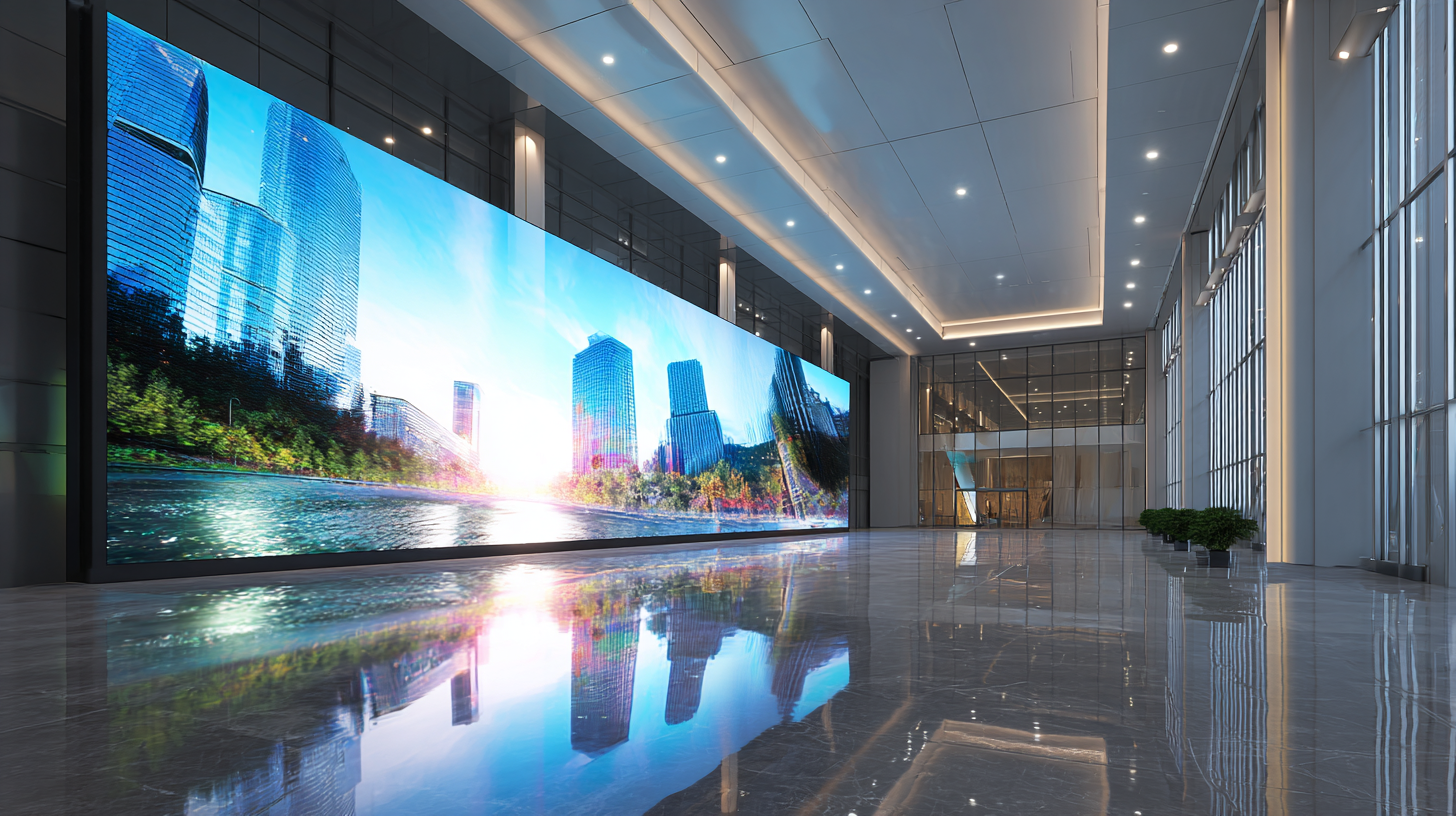
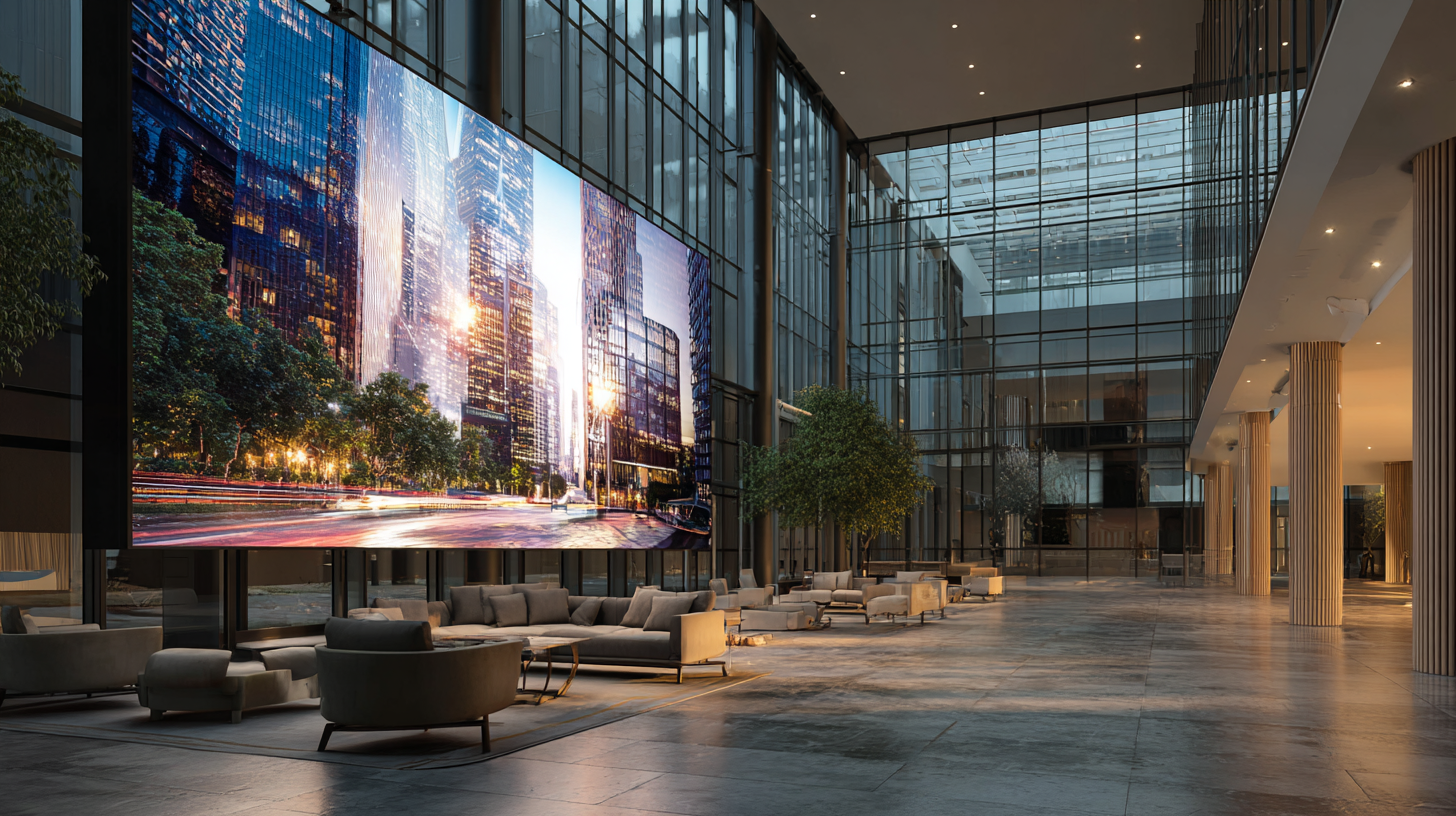
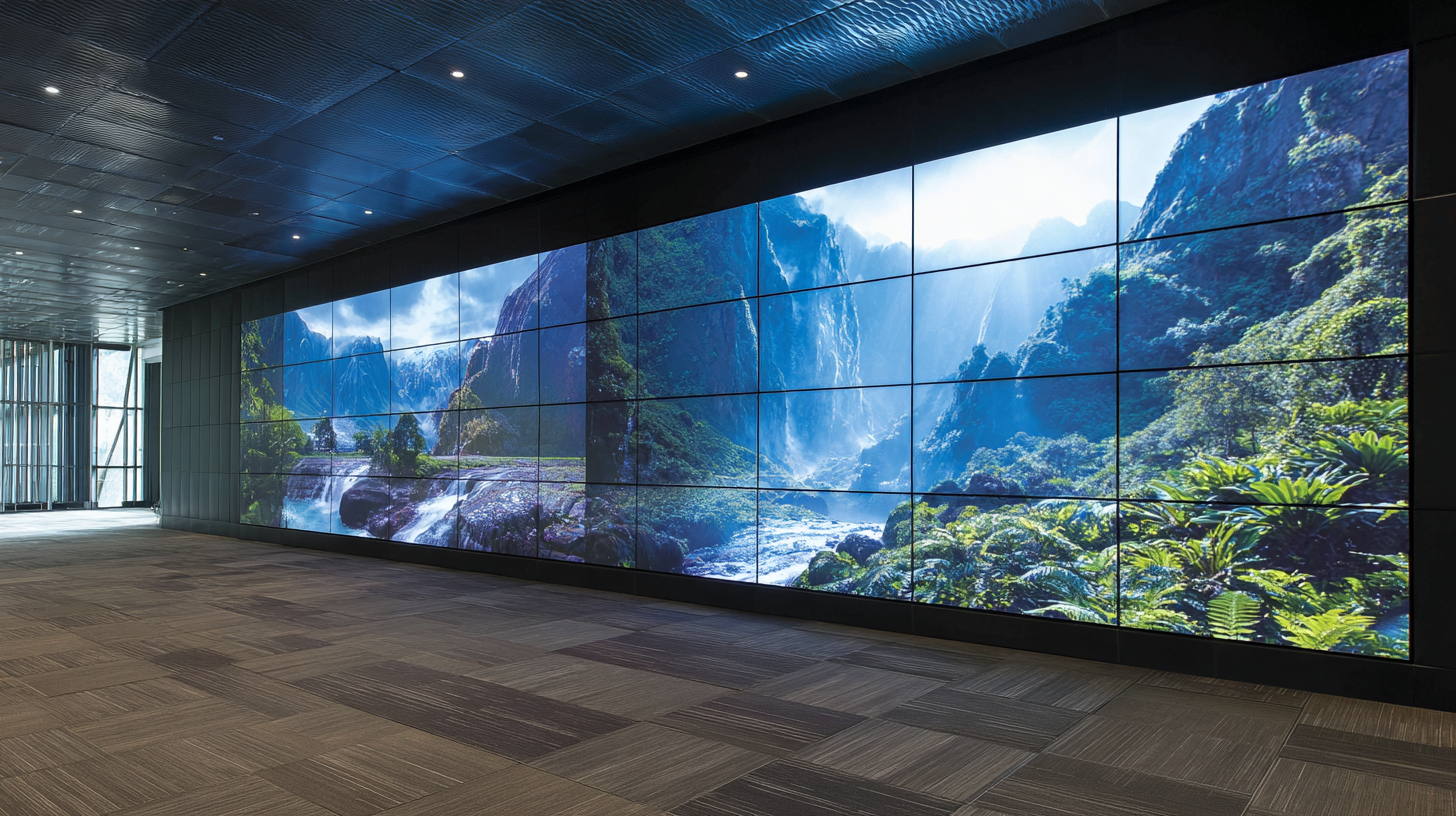
Fine-pixel-pitch LED displays used in retail interiors, malls, corporate lobbies, and exhibition environments.
Outdoor LED Billboards
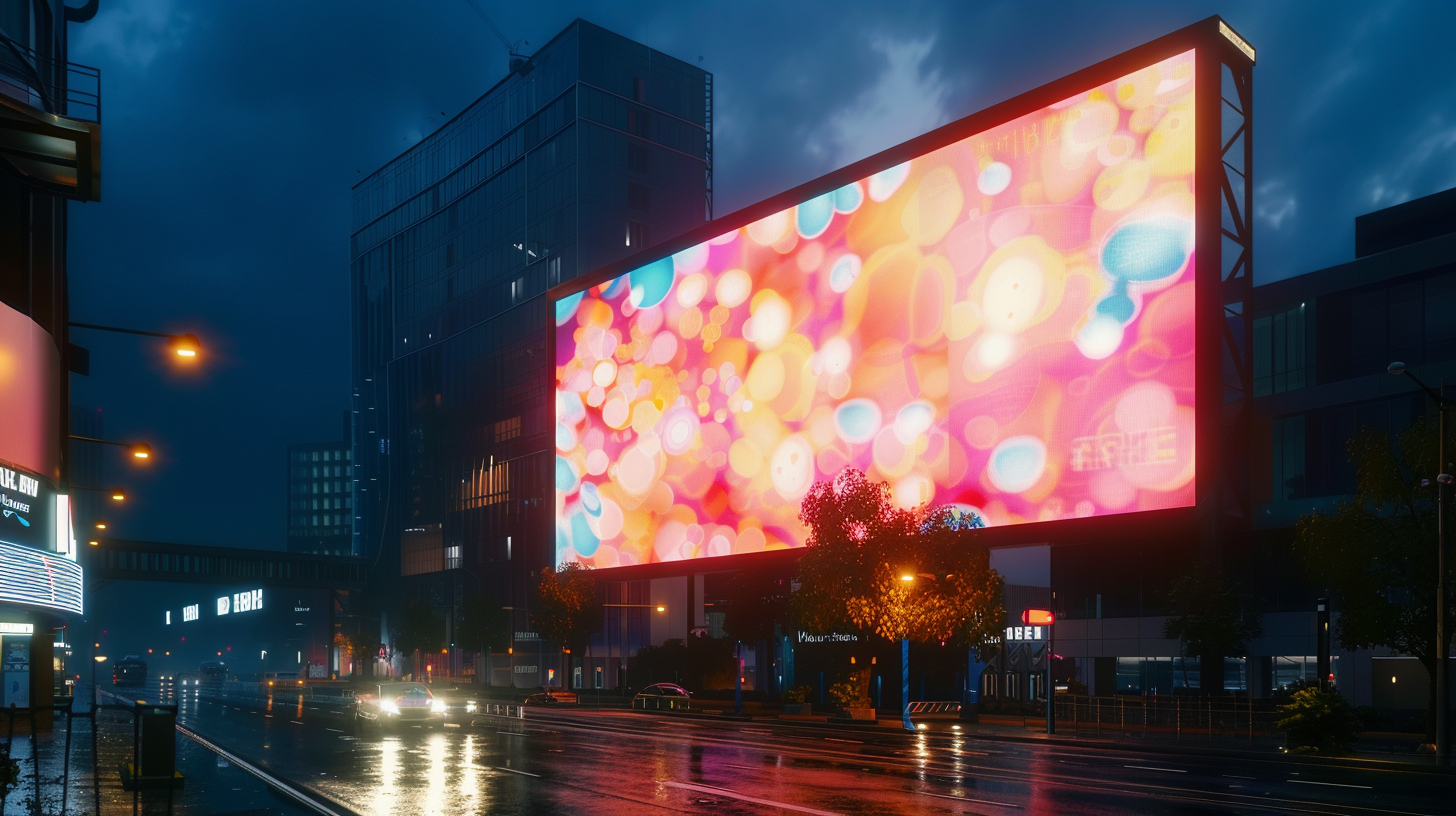
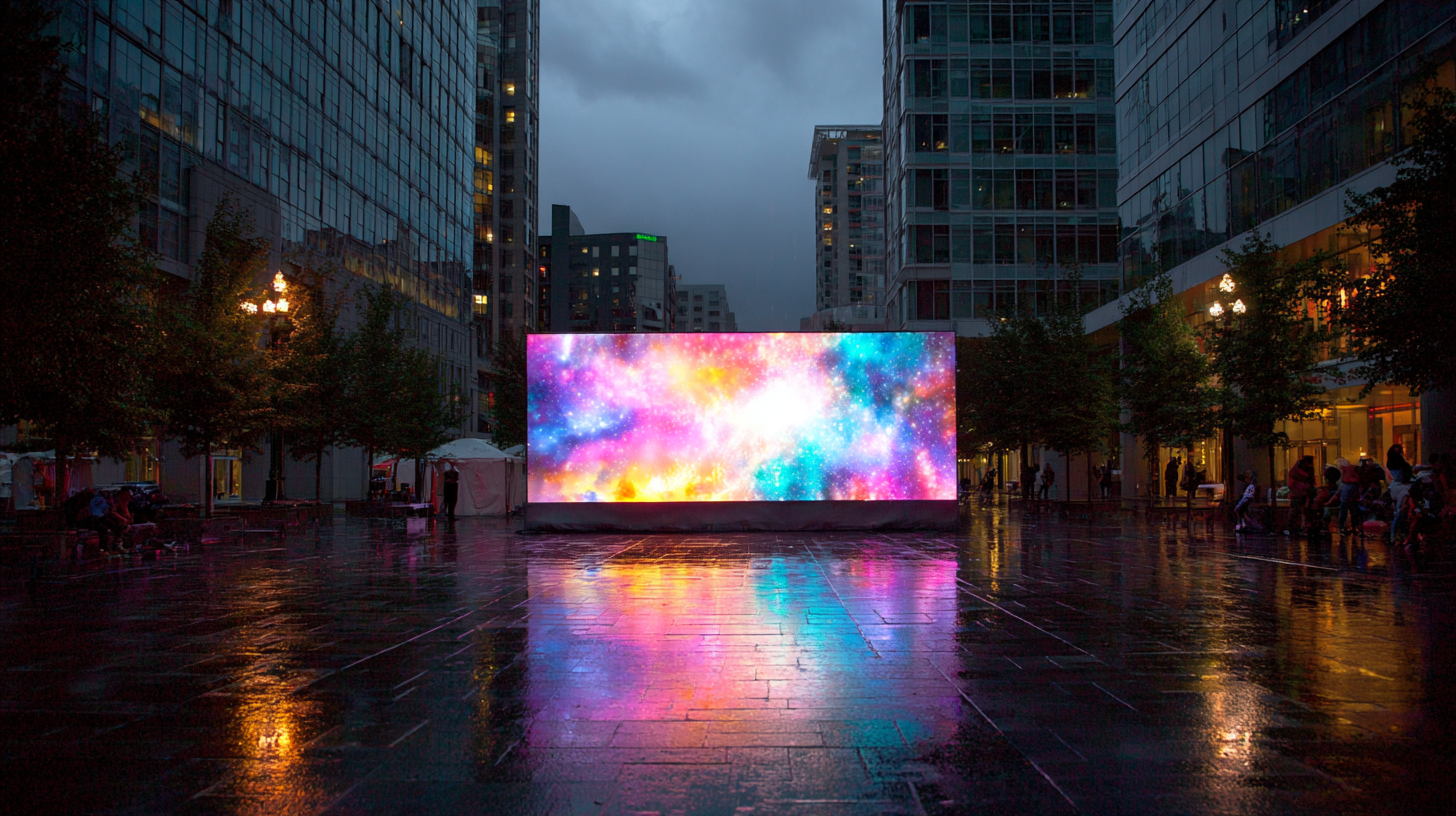
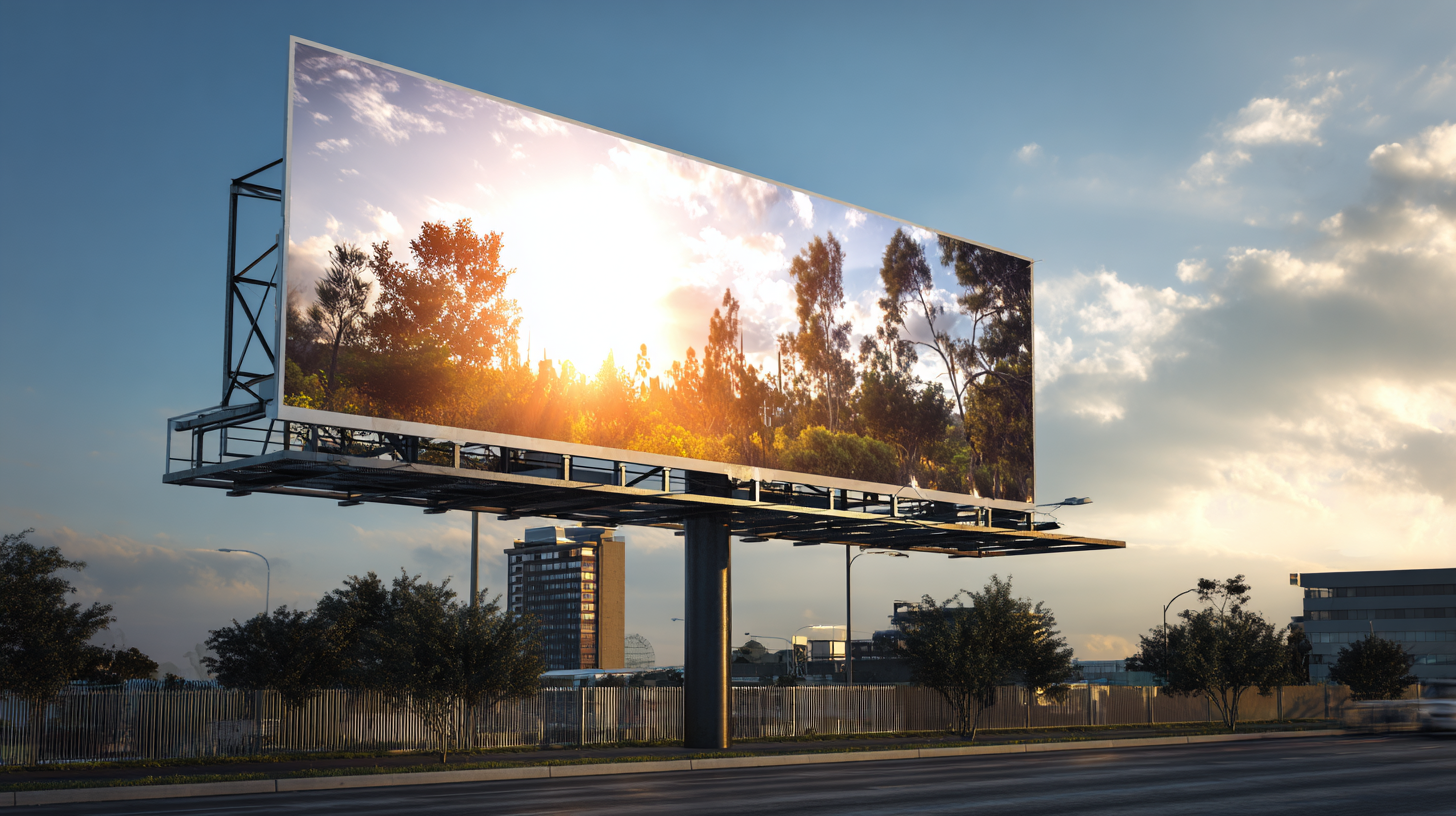
Large-format displays that deliver advertising content at long viewing distances; designed with high brightness and weatherproof construction.
Architectural LED Signage
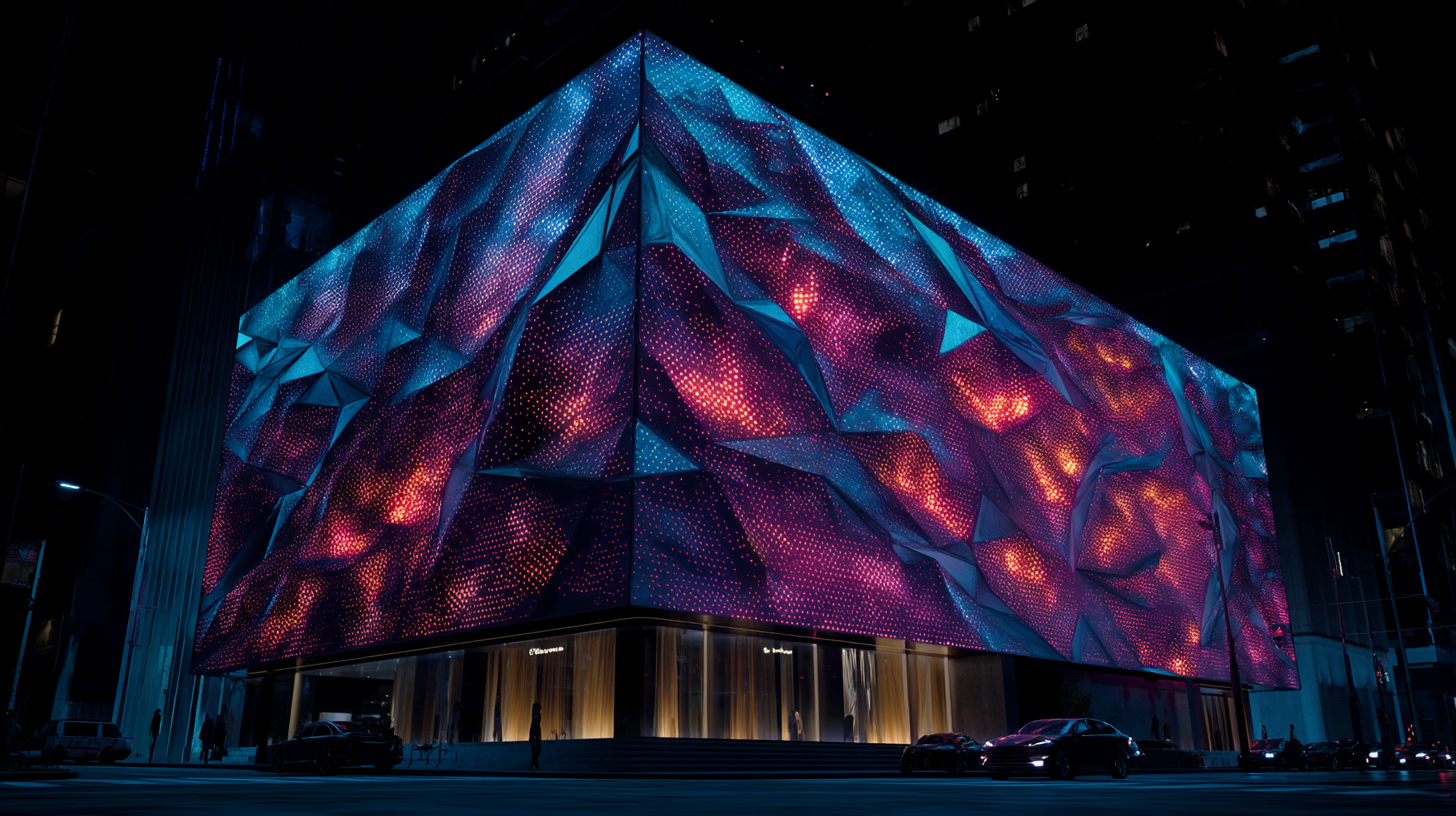
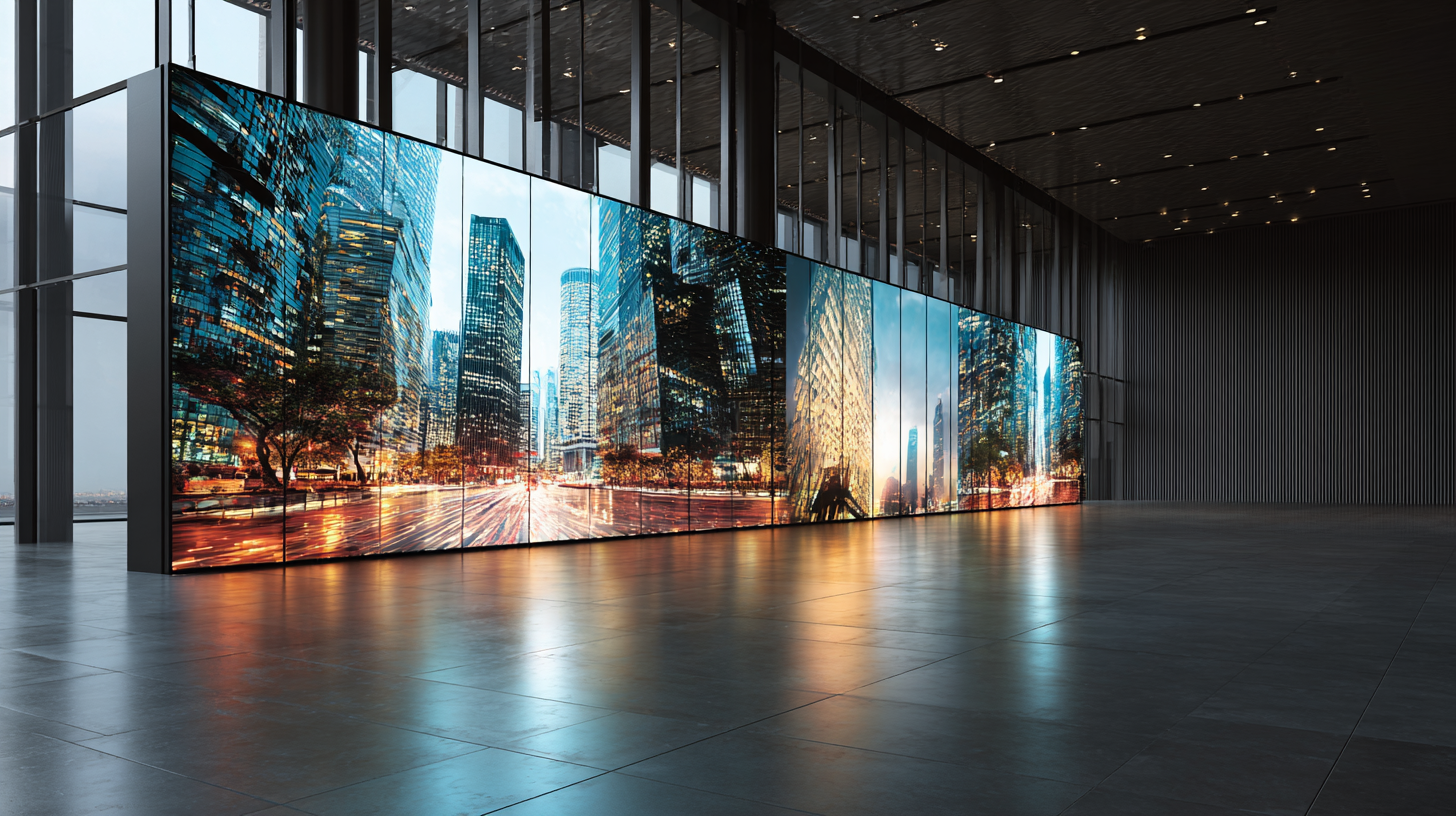
LED strips, contour lighting, or integrated façades that merge branding with architectural design.
Specialty and Custom LED Signs
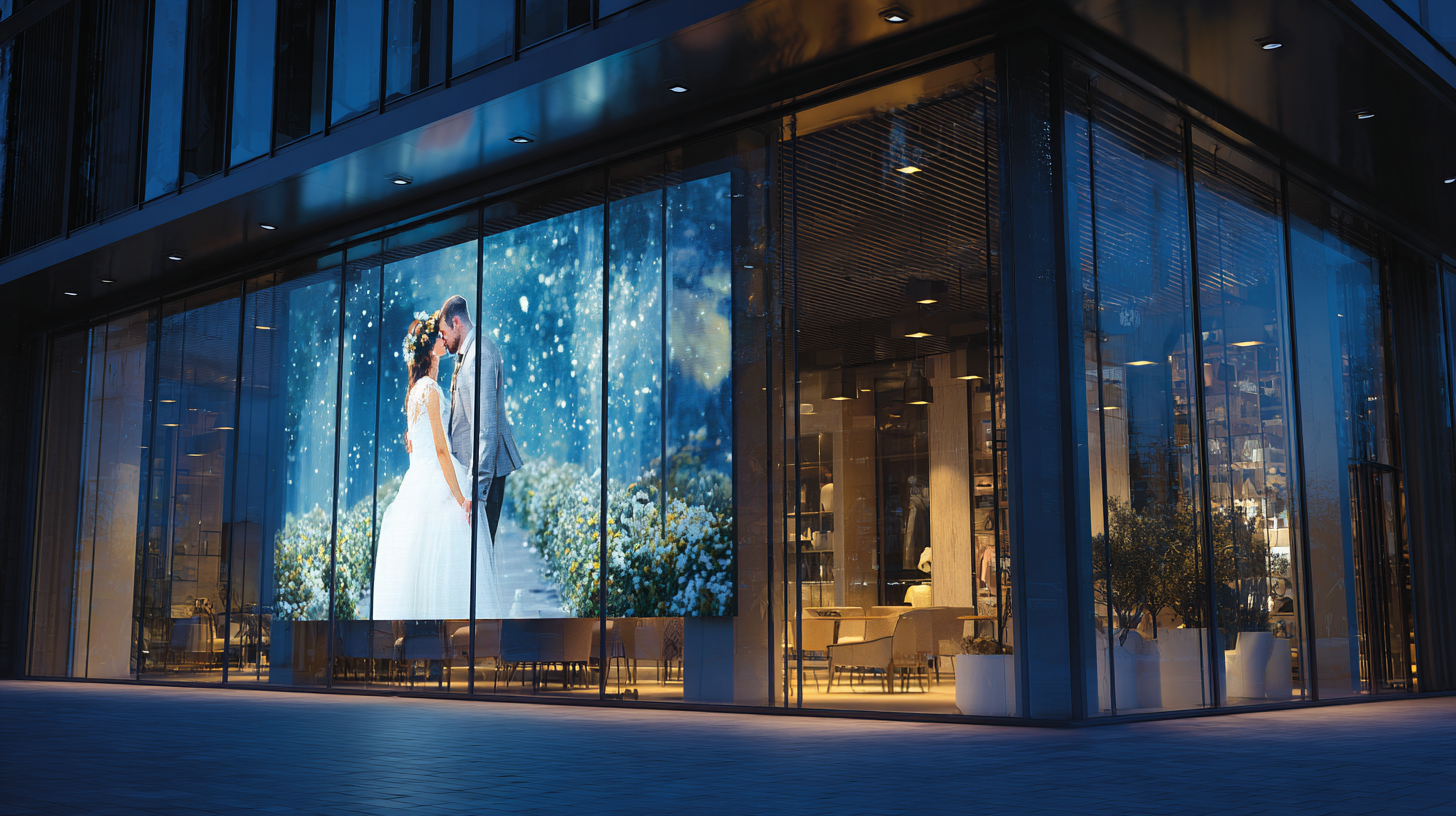
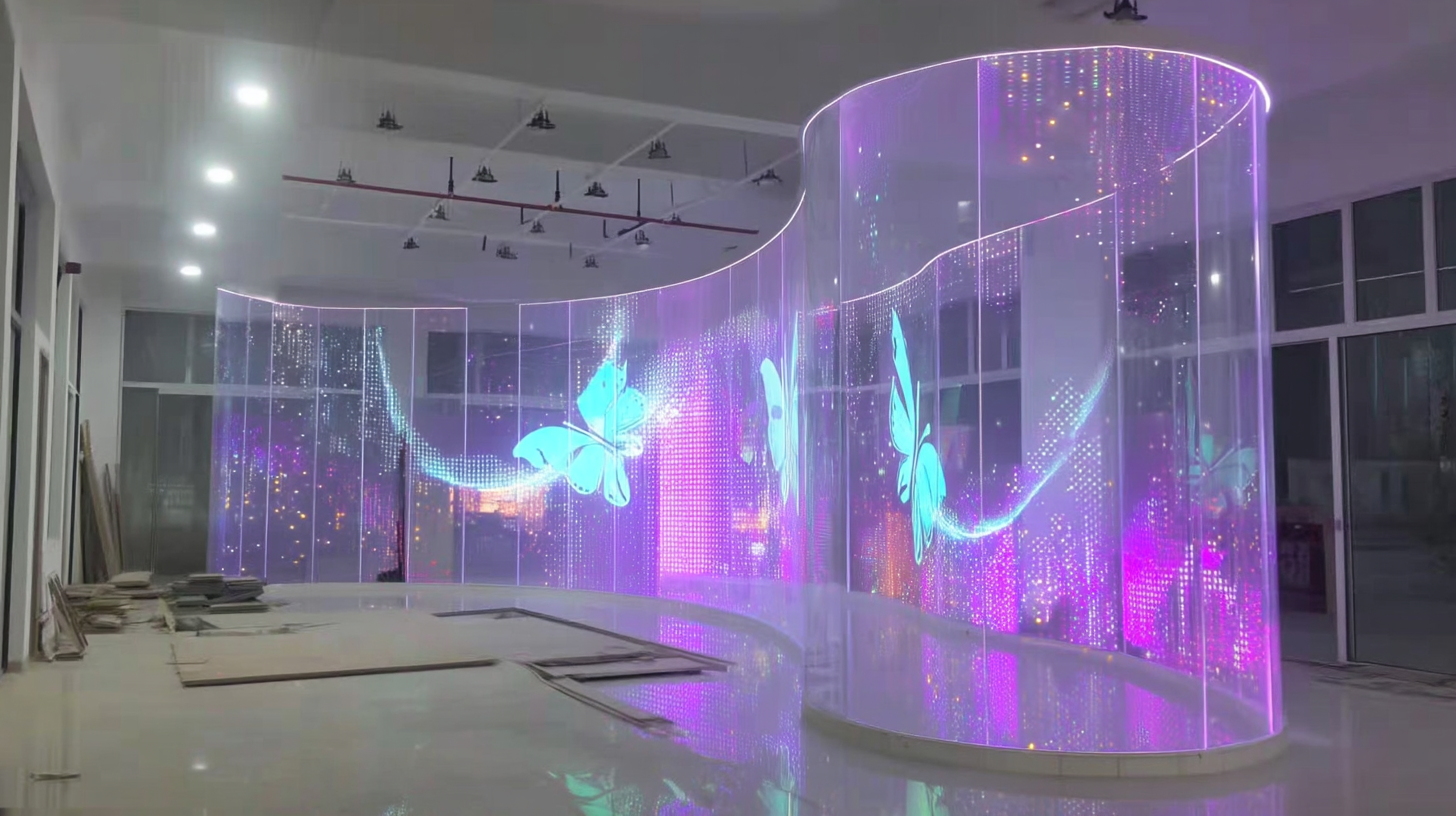
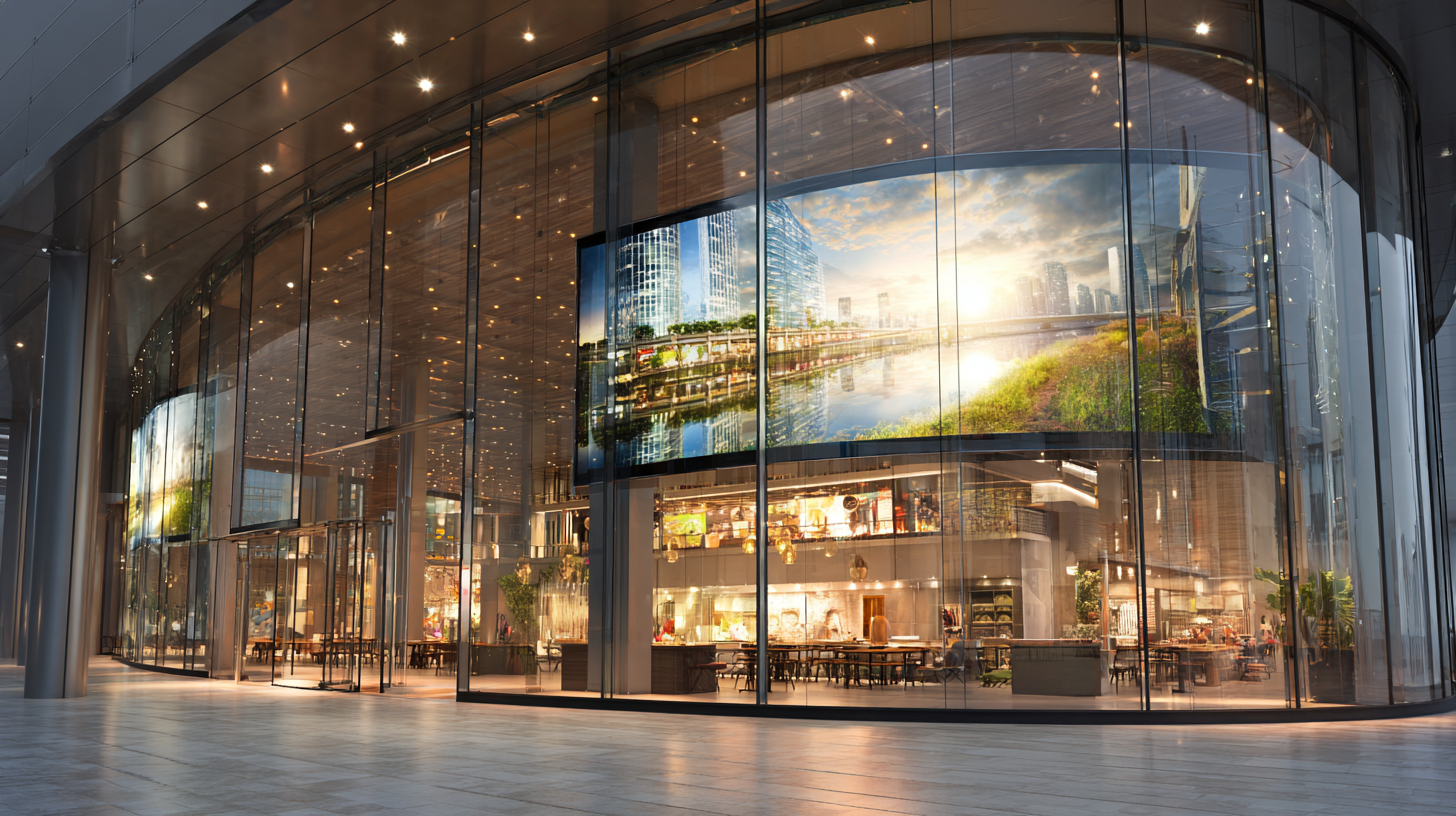
Custom-shaped panels, flexible LEDs, transparent LED screens, LED halos, and other creative signage systems tailored to unique brand requirements.
Applications of LED Signage
Retail and Commercial
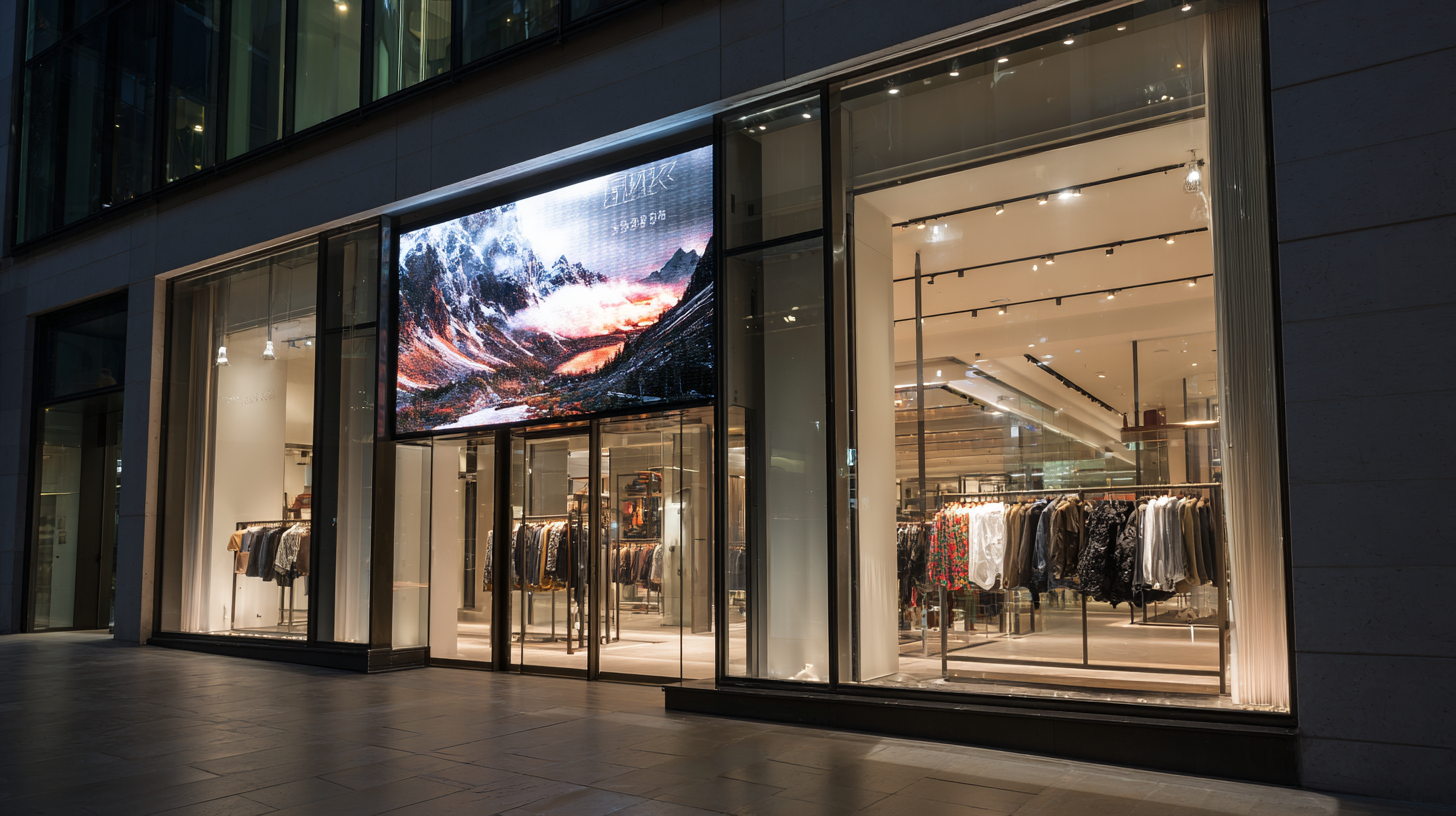
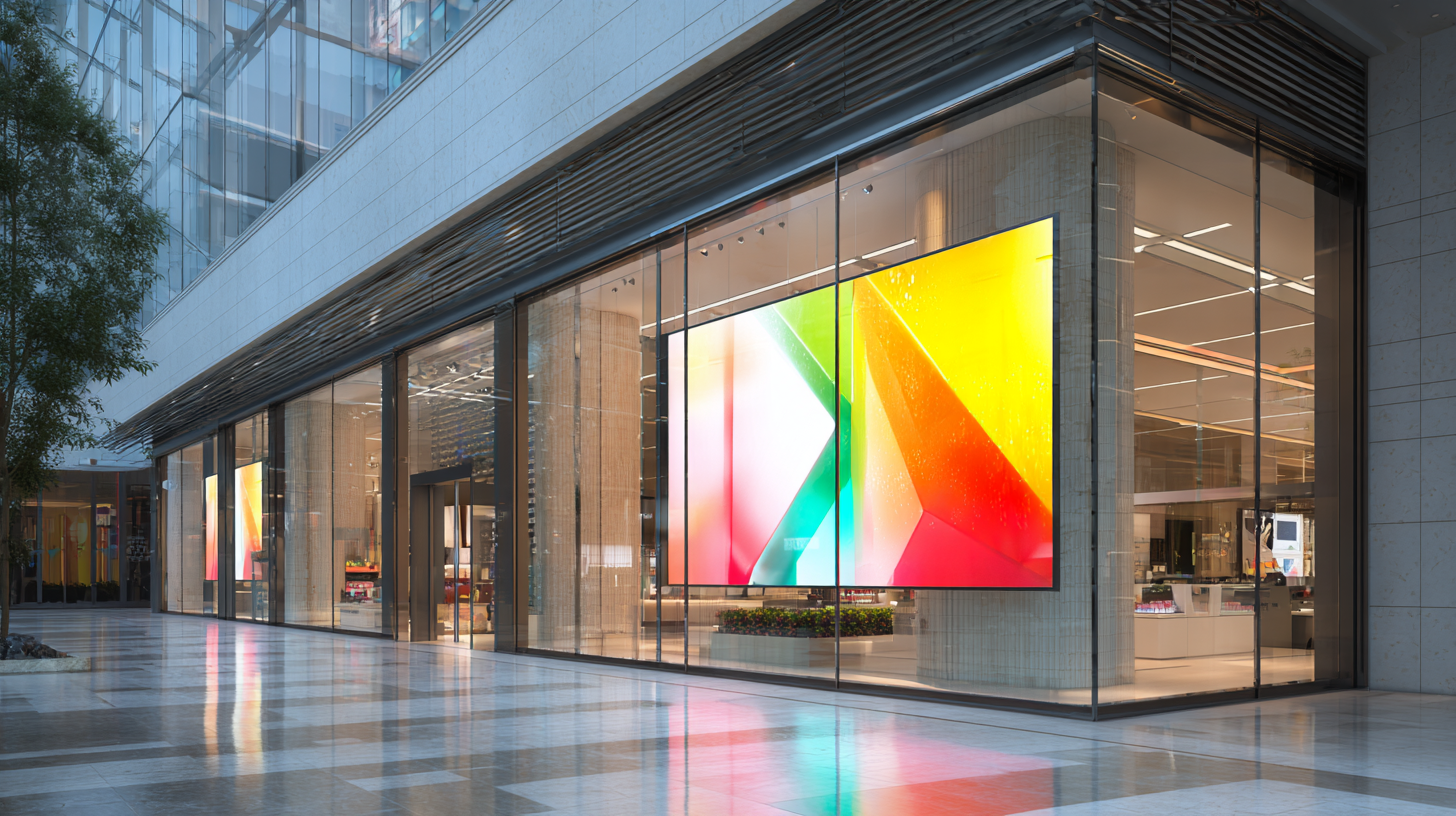
Attract customers, promote products, and create visually engaging storefronts.
Transportation and Public Infrastructure
Display schedules, alerts, directional information, and safety messages.
Hospitality and Entertainment
Enhance guest experience with wayfinding, event information, and decorative visuals.
Corporate and Institutional
Communicate branding, employee messaging, and visitor information.
Outdoor Advertising
Deliver dynamic marketing campaigns with real-time updates and high visibility.
Why Businesses Choose LED Signage
Increased Engagement
Dynamic visuals significantly outperform static signs in capturing attention and boosting recall rates.
Operational Flexibility
Content can be changed instantly without printing or physical replacement.
Long-Term Cost Efficiency
Lower energy consumption and reduced maintenance needs result in favorable total cost of ownership.
Brand Professionalism
Modern, vivid, and polished visuals elevate brand perception and create a competitive advantage.
Scalability
Whether for a small storefront or a large city-center billboard network, LED signage scales efficiently.